






Lifestyle
Aardvark Moments: Andre & Sylvia
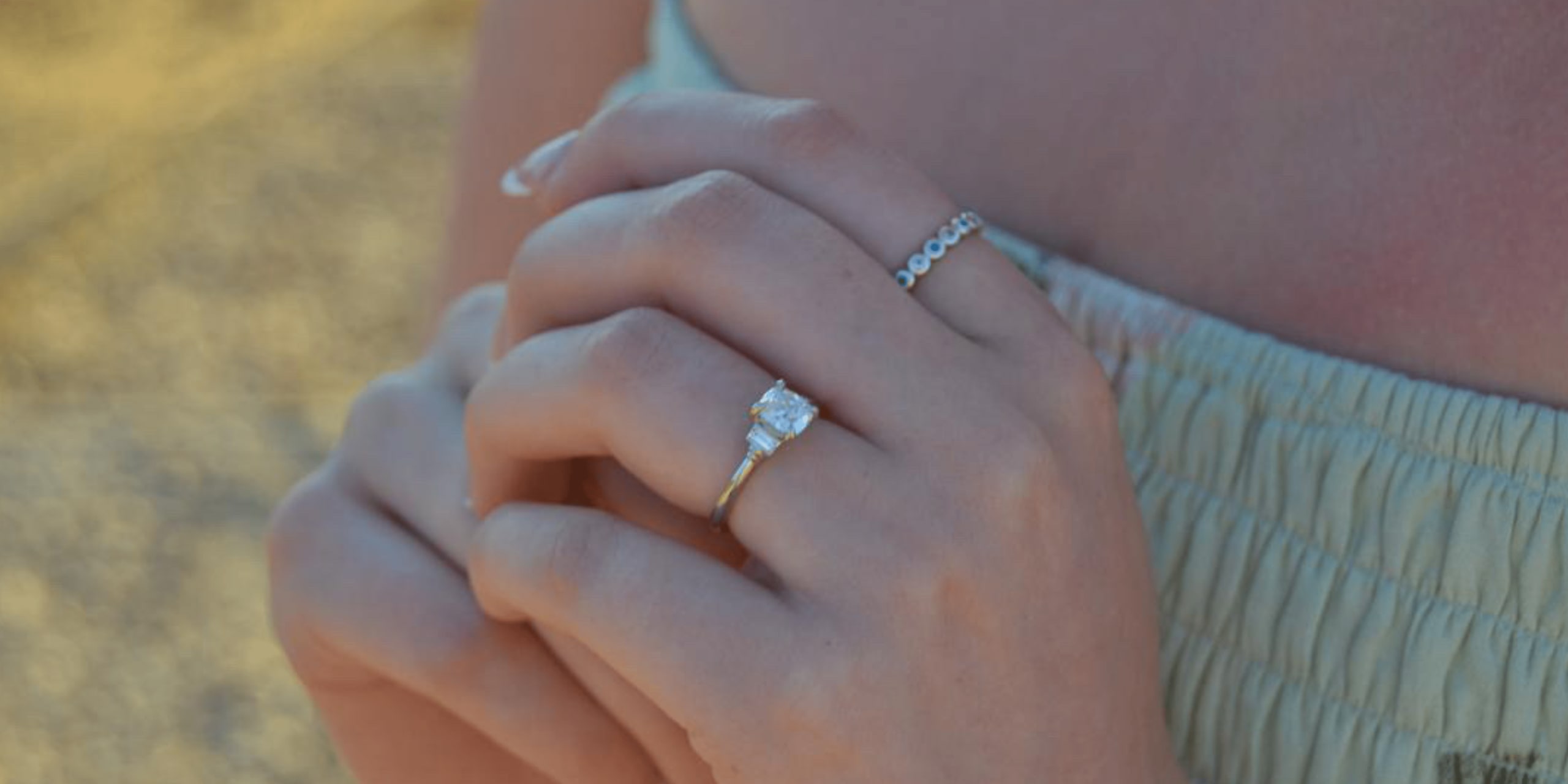
Discover Andre and Sylvia’s love story with Aardvark Jewellery, from choosing an Art Deco-inspired engagement ring to a romantic sunset proposal in Greece.
Copyright Universal Jewellery Limited 2026 | Company number: 11339738
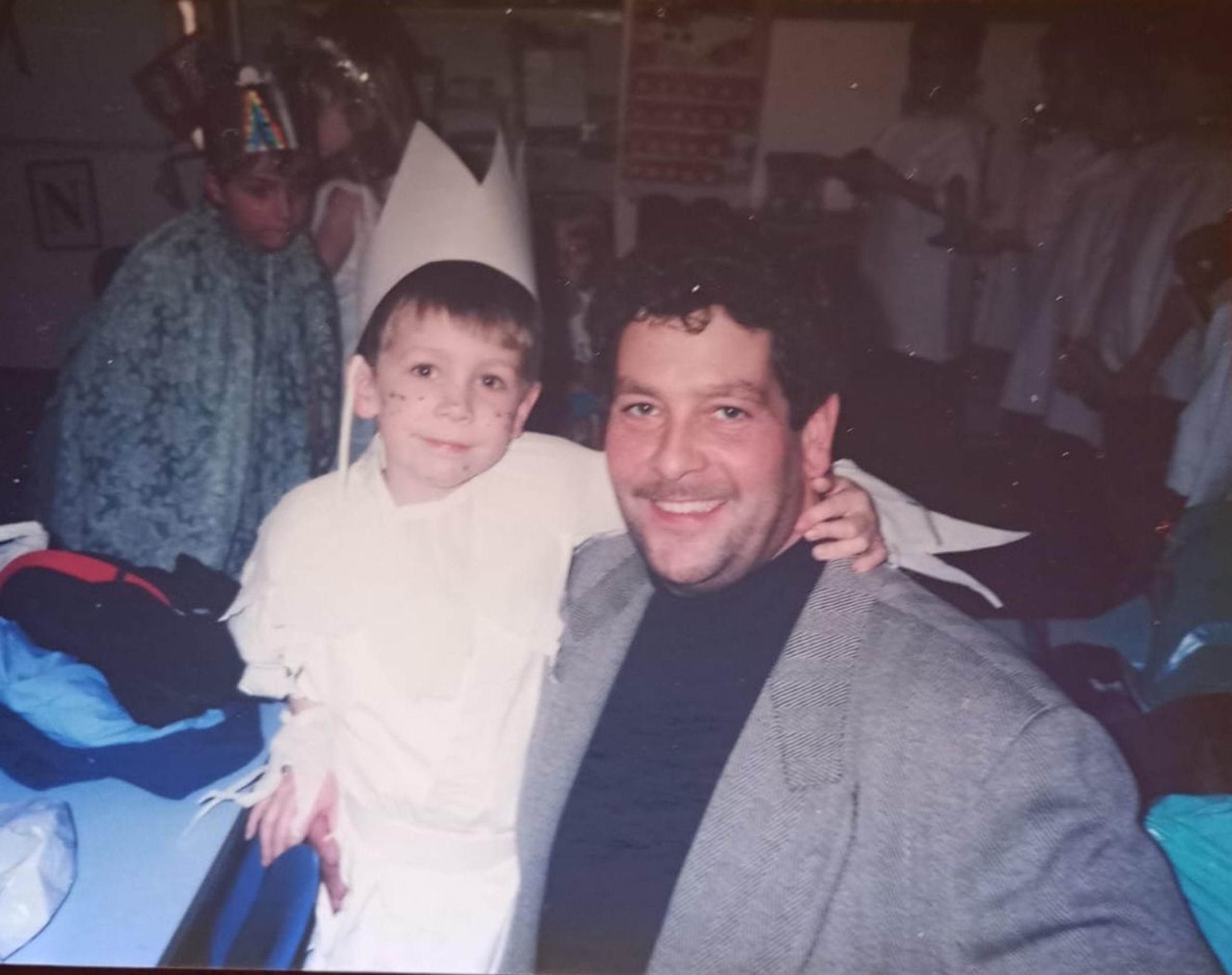
My dad always dealt in antiques. When I was little, I’d travel around with him in his car, going from one business to another. He was a self-proclaimed “wheeler-dealer” for most of his career, and it was only when I got a little older that he decided to invest in a bricks-and-mortar shop.
I always joked with him that I would never get into the jewellery business. I remember thinking that being stuck in that shop all day looked like the most boring thing in the world.
I wanted to carve my own path.
Nobody in my family had ever made it past secondary school. My grandad was a lorry driver, my nan worked on the production line at a chain factory, and my mum was a hotel receptionist when I was growing up.
For some reason, I had this dream of going to university and studying something really difficult. I think part of me believed that doing something academic would make my family the proudest.
And I did actually achieve it.
I studied Physics at the University of Sheffield, followed by a Master’s in Engineering at the University of Birmingham, and finally went on to do a PhD in Chemical Engineering, also at Birmingham.
There was just one problem.
I never really enjoyed it.
I’m not sure academia was ever for me. I loved physics at secondary school, but sitting in a maths-heavy lecture theatre with 200 other people, listening to a man with a heavy Russian accent explain equations for hours at a time, wasn’t quite what I’d imagined.
I struggled to stay awake, and somewhere along the way it felt as though the magic of science that had attracted me in the first place had disappeared.
Discover Andre and Sylvia’s love story with Aardvark Jewellery, from choosing an Art Deco-inspired engagement ring to a romantic sunset proposal in Greece.
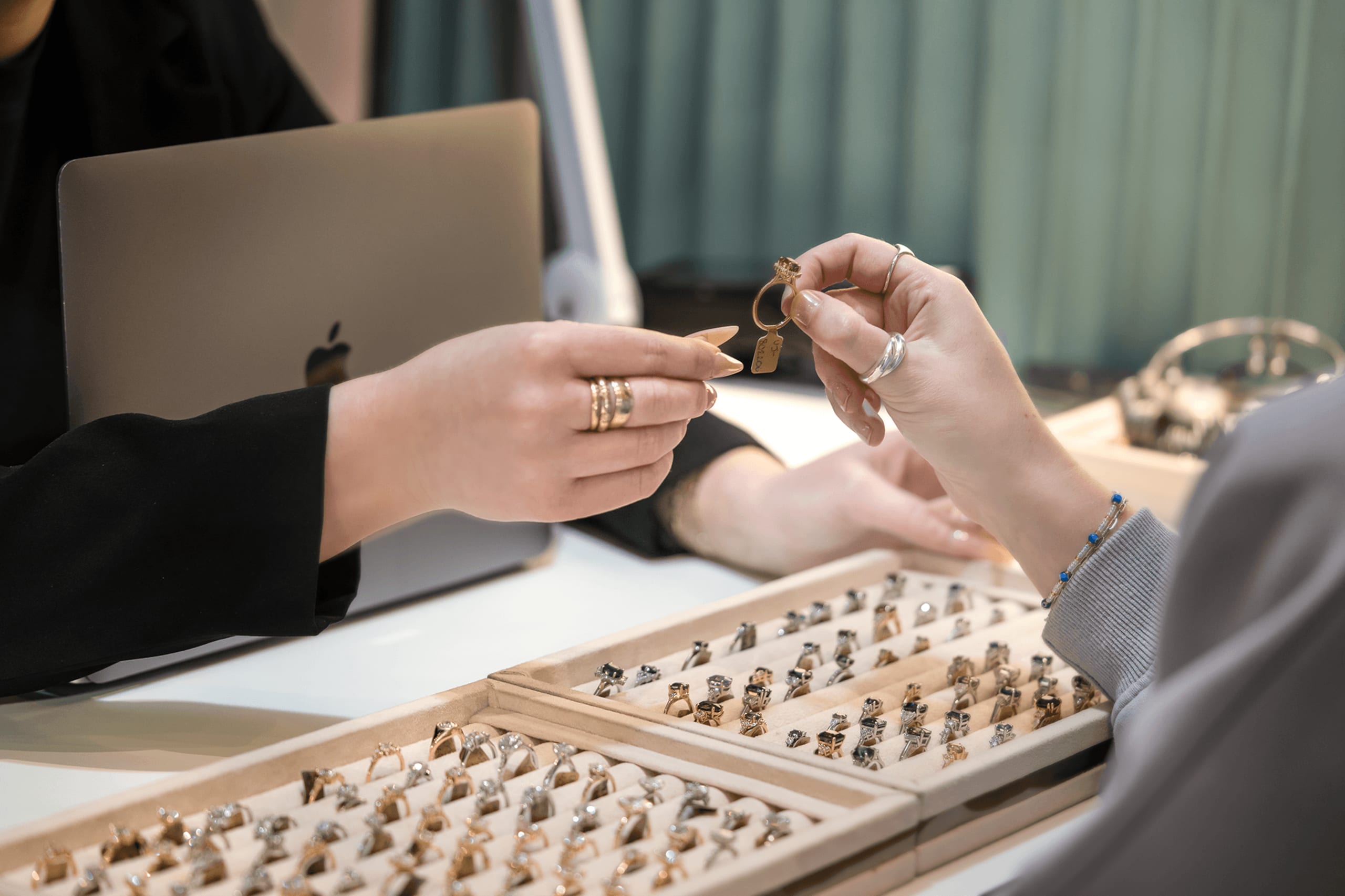
You might be wondering what to expect and what we expect from you. Well fear not, this post explains everything you need to know.
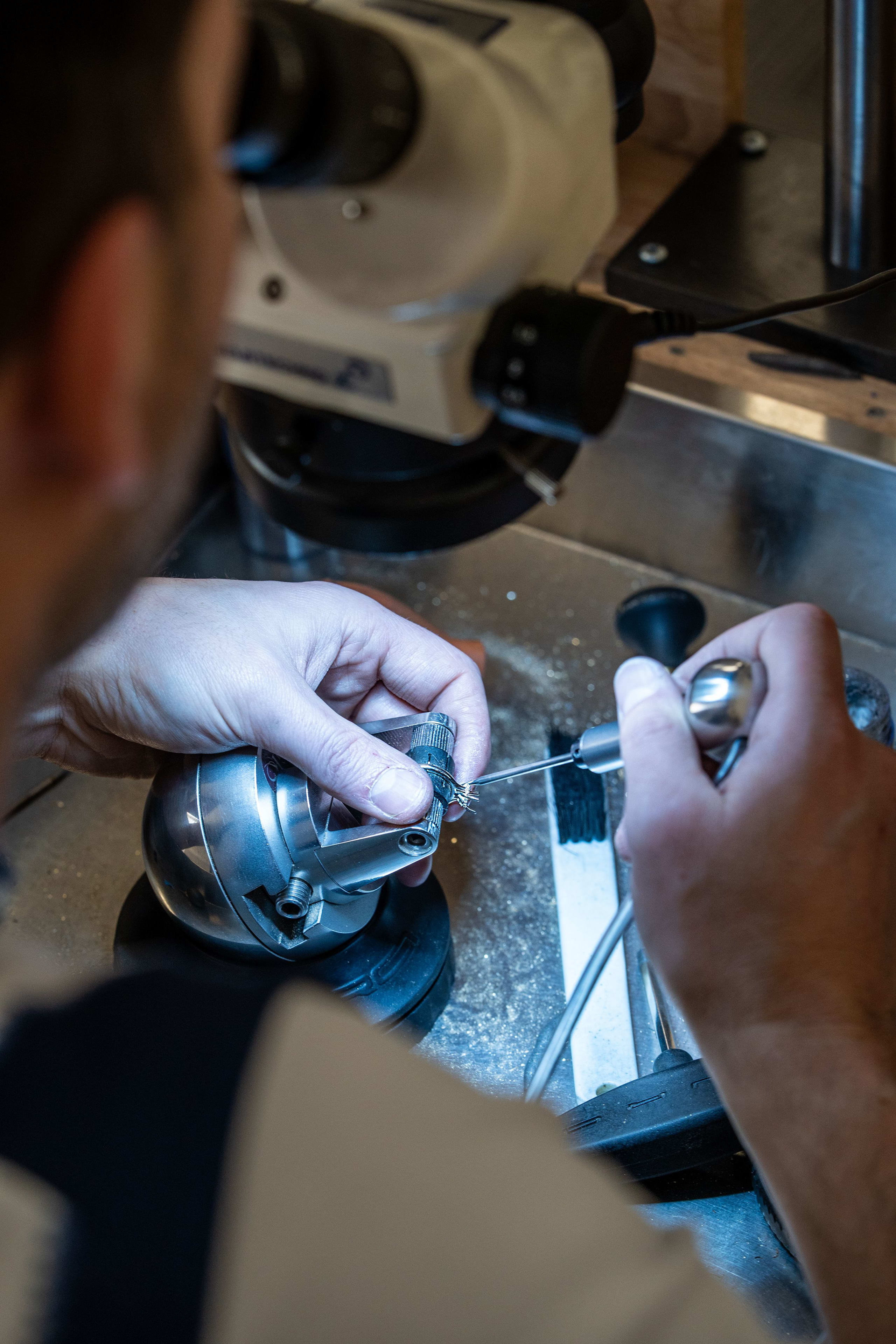
A quick glimpse into the daily life at Aardvark Jewellery
Looking back, there had probably been another clue about what I actually enjoyed doing.
When I was 11, I started my first “business”.
I was in Harrods with my parents and came across a kit for making your own bubble gum. I’ve always enjoyed cooking, so naturally this was right up my alley.
One of the ingredients was citric acid—the stuff that gives sour sweets their sharp taste.
I had an idea.
What would happen if, instead of using the recommended amount, I used about ten times as much?
The result was an extremely sour chewing gum, which I started selling at school as a challenge: 50p a go to see who could chew it for a full minute without their eyes watering.
It was a hit amongst my friends. Then friends of friends. Then seemingly everyone.
By the standards of an 11-year-old with a bag full of homemade chewing gum, I’d basically gone viral.
So, naturally, I expanded.
I did the same thing with chilli and created a heat challenge. Then I came up with another product inspired by Salt ‘n’ Shake crisps: a bag of sweets with a separate packet of powdered sugar that you tipped in and shook around yourself.
I called it, with all the branding genius of an 11-year-old, Sugar ‘n’ Shake.
It wasn’t exactly a multinational confectionery empire, but I had discovered something important: I absolutely loved running my own business.
Years later, while doing my PhD, I was constantly thinking about some kind of business I could start on the side.
Partly because I loved the idea of running something myself.
Primarily because I was a broke student.
One day, I was browsing Etsy and noticed just how much second-hand jewellery was being sold on there. Because of my dad, I had a pretty good idea of what he was selling similar pieces for, and it quickly became apparent that you could get a hell of a lot more selling jewellery online than you could from a little antique shop in Birmingham’s Jewellery Quarter.
So I went to my dad with a proposition.
I convinced him to give me a bag of jewellery that he was planning to scrap for the metal. There was nothing necessarily wrong with it—it just wasn’t quite good enough to make the cut for his shop window.
The deal was simple: I would list and sell it, and whatever profit I made, we’d split 50/50.
I set up an Etsy shop and off I went.
And it worked.
I wasn’t making anything close to a living, but I was turning a small profit each month, which was a very welcome addition to my glamorous PhD-student lifestyle.
But I quickly spotted a problem with the business model.
With second-hand jewellery, you’re always limited by supply rather than demand. If you find a beautiful old ring and sell it, you can’t simply order another one.
If I was serious about turning this little side business into an actual career, I realised I would eventually have to go in my own direction.
I needed to start making jewellery.
Second-hand and new jewellery might seem like similar businesses from the outside, but in reality they’re completely different beasts.
I suddenly needed to figure out how to put together an entire manufacturing process from start to finish.
This took, ahem… quite a lot of trial and error.
May I remind you at this point that I had absolutely no formal qualifications relating to jewellery whatsoever. To say I occasionally felt out of my depth would be an understatement.
Nevertheless, with the help of some fantastic guides and mentors along the way, I slowly started to get the hang of how everything worked.
One area I had always been particularly curious about was CAD design.
I have absolutely no natural artistic ability when it comes to drawing by hand. Give me a pencil and ask me to sketch a ring and you’re probably not going to want to wear the result.
But I am mathematically inclined.
CAD felt like an opportunity to do something creative using a language my brain actually understood: dimensions, geometry and numbers.
So I invested what, at the time, felt like a fairly terrifying amount of money into a jewellery CAD program called Matrix.
There was just one small issue.
I had absolutely no idea how to use it.
I spent roughly a year working my way through tutorial books and YouTube videos, teaching myself how to design jewellery digitally. Eventually, things started to click.
And that was when I began designing all of the jewellery myself.
Fast-forward a few years and quite a lot has changed.
I went from renting a little office from my dad above the shop I once thought looked like the most boring place in the world, to having our own studio and showroom, separate offices, workshop and photography studio.
More importantly, there’s now an entire team behind Aardvark who I can only describe as out of this world.
It’s a genuine privilege to wake up in the morning and actually look forward to coming into work and spending time with the people around you.
And the truth is, there is absolutely no way I could have got from that bag of second-hand jewellery to where Aardvark is today without an enormous number of people offering their time, knowledge, guidance and hard work along the way.
There is also something I find quite funny about the whole journey.
I spent years determined to carve out my own path and avoid following my dad into jewellery. I went away, studied physics and engineering, started a PhD…
…and somehow ended up in the jewellery business anyway.
Just not quite in the way I’d imagined.
I’m incredibly grateful for the journey Aardvark has taken me on so far.
And I’m even more excited to see where it goes next.
Stay tuned.